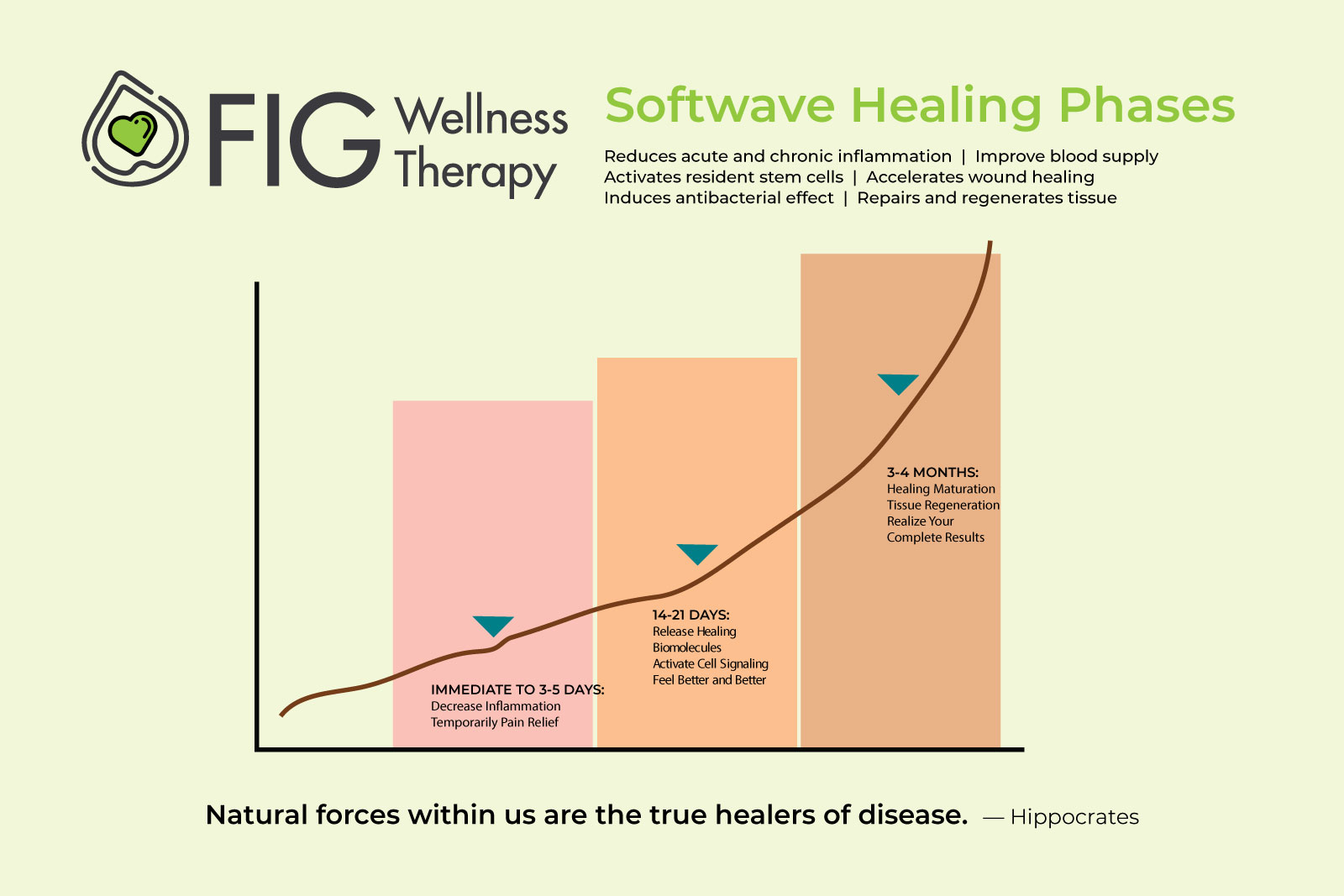
SoftWave therapy is FDA-cleared for the following uses:
- Relief of minor muscle aches and pains
- Temporary increase in local blood circulation
- Activation of connective tissue
- Wound healing
Therefore, it has wide applications in treating orthopedic and sports injuries. While SoftWave is not FDA-cleared specifically for urological conditions like pelvic floor or erectile dysfunction, its use aligns with professional standards.
According to the American Occupational Therapy Association’s (AOTA) position paper on physical modalities, the therapeutic use of mechanical devices (e.g., vibration, controlled mobilization) to modify the biomechanical properties and functions of tissues falls within the scope of practice for occupational therapists trained in physical modalities. Similarly, the American Physical Therapy Association (APTA) provides Clinical Practice Guidelines (CPGs) for physical therapy modalities, emphasizing their role in helping patients recover from injuries, surgeries, and other conditions.
As pelvic floor therapists with advanced training, we use SoftWave as an innovative physical modality to address nervous system and myofascial dysfunctions. By optimizing the functions of nerves, blood circulation, muscles, and fascia to assist tissue healing and improve daily functions, SoftWave enhances recovery and aligns with professional standards. This approach is grounded in our training and professional scope of practice to help restore function and improve quality of life.
An example of how pelvic therapists approach erectile dysfunction (ED) treatment differs from the typical urology office protocol. In many urology clinics, shockwave therapy is applied to areas like the penis, scrotum, and perineum to directly stimulate blood flow and improve erectile function. This protocol focuses primarily on the vascular aspect of ED.
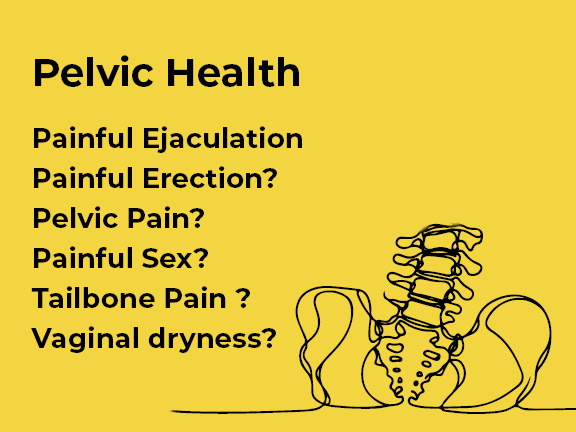
However, as pelvic floor therapists, we take a more comprehensive approach by addressing the root cause of ED from a musculoskeletal and fascial perspective. We focus on the muscle and fascial restrictions that can interfere with the sacral nerves and pudendal nerves, which are essential for erectile function. These nerves pass through the lumbopelvic complex, an area that can experience dysfunction due to tight muscles, imbalanced fascia, or structural misalignments.
By addressing these dysfunctions within the lumbopelvic complex, we optimize the function of the lower spine, pelvis, and nerves, ensuring that the sacral and pudendal nerves can perform their job effectively. This holistic approach aims not only to improve blood flow but also to restore optimal nerve function, which plays a crucial role in sexual health.